


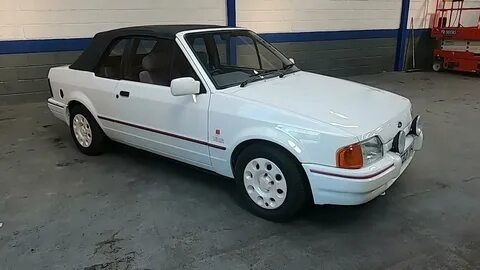
Classic Ford Escort XR3i: The Hot Hatch That Defined a Generation
The Ford Escort XR3i stands as one of the most iconic hot hatches of the 1980s, representing the pinnacle of Ford’s performance engineering during an era when affordable sports cars were capturing the hearts of driving enthusiasts across Europe. Launched in 1982, the XR3i transformed the humble Escort platform into a thrilling performance machine that combined practicality with genuine sporting credentials, establishing itself as a benchmark in the burgeoning hot hatch segment.
You may also want to read about other cars too like Is Mercedes GLE Worth Having.
Evolution of the XR3i Legacy
First Generation XR3i (1982-1986)
The original Ford Escort XR3i introduced fuel injection to the XR range, marking a significant technological advancement over its carburetted XR3 predecessor. Built on the reliable MK3 Escort platform, the XR3i featured Ford’s proven CVH (Compound Valve-angle Hemispherical) 1.6-litre engine enhanced with Central Fuel Injection (CFI) technology.
This powerplant produced 105 bhp and 103 lb-ft of torque, enabling the XR3i to accelerate from 0-60 mph in approximately 9.2 seconds with a top speed of 112 mph. While these figures may seem modest by today’s standards, the XR3i’s lightweight construction and balanced chassis dynamics provided an engaging and accessible driving experience that made it instantly popular with young enthusiasts.
The distinctive styling package included aggressive body cladding, unique front and rear spoilers, side skirts, and the iconic twin headlight configuration that became synonymous with the XR3i identity. Inside, supportive sports seats, a leather-trimmed steering wheel, and comprehensive instrumentation created an appropriately sporty environment.
You may like to read : Firebird Auto
Second Generation XR3i (1986-1990)
The MK4 Escort XR3i represented a complete redesign that elevated the model’s performance and sophistication. The new aerodynamic body shell reduced drag while maintaining the aggressive visual presence that XR3i buyers expected. Ford’s advanced 1.6-litre EFI engine now produced 130 bhp, significantly improving performance figures to 0-60 mph in 7.7 seconds and a top speed of 127 mph.
Suspension improvements included MacPherson struts at the front and a sophisticated semi-independent rear setup that provided excellent handling characteristics without compromising ride comfort. The steering was precise and communicative, while the braking system featured ventilated front discs for reliable stopping power.
Interior refinements included improved ergonomics, higher quality materials, and enhanced equipment levels that reflected Ford’s commitment to making the XR3i a more complete performance package rather than simply a powerful engine in a basic shell.
You may like to read one more classic car : Toyota Aygo
Technical Specifications and Performance
Engine Technology
The heart of the XR3i’s appeal lay in its sophisticated powerplant technology. The CVH engine featured a crossflow cylinder head design with compound valve angles that optimized combustion efficiency and power output. Electronic fuel injection replaced traditional carburettors, providing improved throttle response, better fuel economy, and more consistent performance across varying conditions.
The injection system utilized Ford’s own Central Fuel Injection (CFI) technology in early models, later evolving to Electronic Fuel Injection (EFI) in the MK4 generation. This advancement not only improved power delivery but also enhanced reliability and reduced emissions compared to carburetted alternatives.
Compression ratios were carefully optimized to work with available fuel quality while maximizing power output. The robust bottom end featured forged components capable of handling the increased stresses of performance driving, while the top end incorporated performance camshaft profiles and optimized port configurations.
Chassis and Suspension Dynamics
The XR3i’s chassis represented the perfect balance between performance capability and everyday usability. MacPherson strut front suspension provided precise wheel control and excellent feedback to the driver, while anti-roll bars front and rear minimized body roll during enthusiastic cornering.
The rear suspension evolved from the simple beam axle of early models to the more sophisticated semi-independent system of later generations. This advancement significantly improved handling dynamics while maintaining the robust simplicity that made the Escort platform so reliable and cost-effective to maintain.
Steering systems featured rack and pinion configuration with power assistance available on later models. The unassisted steering of early XR3i variants provided exceptional road feel and feedback, contributing to the car’s reputation for driver engagement and connection.
Braking and Safety Systems
Braking performance was enhanced through the use of ventilated front disc brakes that provided excellent stopping power and resistance to fade during spirited driving. Rear drums remained adequate for the car’s performance envelope while keeping costs reasonable.
Safety features included strengthened door frames, improved crumple zones, and comprehensive restraint systems that met evolving European safety standards. The XR3i’s relatively light weight and balanced weight distribution contributed to predictable handling characteristics that helped drivers maintain control in challenging situations.
Design and Styling Excellence
Exterior Design Philosophy
The XR3i’s exterior design perfectly captured the aggressive confidence of 1980s performance car aesthetics. The distinctive twin headlight configuration became an instantly recognizable signature element, while the deep front air dam and integrated fog lights emphasized the car’s sporting intentions.
Side cladding and skirts not only enhanced the visual impact but also provided some aerodynamic benefit while protecting the bodywork from minor damage. The rear spoiler was both functional and stylistic, contributing to high-speed stability while completing the aggressive visual package.
Color options included classic 1980s choices such as Diamond White, Radiant Red, and the popular Moonstone Blue, each complementing the XR3i’s bold styling lines. Optional graphics packages allowed owners to further personalize their vehicles and emphasize the performance credentials.
Interior Design and Equipment
XR3i interiors were designed to support both performance driving and everyday practicality. Sports seats provided excellent lateral support during cornering while remaining comfortable for longer journeys. The rear seats, while compact, offered sufficient space for occasional passengers or additional cargo capacity.
Instrumentation was comprehensive, featuring a full set of gauges including tachometer, coolant temperature, fuel level, and various warning lights. The steering wheel incorporated the classic Ford design with appropriate button controls for auxiliary functions.
Equipment levels varied depending on specification and model year, with features such as electric windows, central locking, and upgraded audio systems available. The practicality of the hatchback configuration made the XR3i an ideal choice for enthusiasts who needed both performance and utility.
Cultural Impact and Motorsport Heritage
Popular Culture Influence
The Ford Escort XR3i became deeply embedded in 1980s popular culture, appearing in films, television programs, and music videos of the era. Its combination of affordable performance, youthful image, and distinctive styling made it the aspirational vehicle for a generation of young drivers.
The car’s association with the emerging “boy racer” culture created both positive and negative perceptions, but ultimately contributed to its legendary status within automotive enthusiast communities. Magazine road tests consistently praised the XR3i’s balance of performance, practicality, and value.
Competition Success
While primarily designed as a road car, the XR3i platform proved successful in various forms of motorsport. Rally competitions, circuit racing, and autocross events all featured XR3i participants, demonstrating the model’s fundamental mechanical soundness and performance potential.
The robust CVH engine responded well to tuning modifications, while the balanced chassis provided an excellent foundation for competition preparation. This motorsport involvement further enhanced the XR3i’s reputation among performance enthusiasts.
Collectibility and Market Values
Classic Car Status
Today’s classic car market has embraced the Ford Escort XR3i as a legitimate collectible representing an important era in automotive history. Well-maintained examples command strong prices, with particularly desirable specifications attracting premium valuations.
Factors affecting collectibility include condition, originality, service history, and specific model variants. The MK4 generation generally commands higher values due to its superior performance and more sophisticated engineering, though pristine early models also attract dedicated collectors.
Restoration projects require careful attention to authenticity, as many XR3i vehicles were modified during their active service lives. Original components and correct specifications are essential for maintaining both historical accuracy and market value.
Shipping Your Classic Ford Escort XR3i with ShipCars.co.uk
At ShipCars.co.uk we recognize the special significance and growing collectible value of the classic Ford Escort XR3i. Our specialized classic car shipping services ensure your iconic hot hatch receives the professional care and attention it deserves throughout the transportation process. We provide secure, enclosed transport options specifically designed for classic vehicles, protecting your XR3i from weather, road debris, and handling damage. Our comprehensive service includes expert vehicle preparation guidance, complete customs documentation handling, full insurance coverage, and real-time progress tracking. Whether you’re importing a pristine example, relocating your collection, or completing an international purchase, our experienced team understands the unique requirements of classic car logistics and delivers your XR3i safely to its destination.
Maintenance and Ownership Considerations
Parts Availability and Support
Ford’s extensive dealer network and strong aftermarket support ensure that essential maintenance items remain readily available for XR3i ownership. Engine components, suspension parts, and body panels can typically be sourced through specialist suppliers who understand the specific requirements of these classic performance cars.
Specialist workshops with XR3i expertise provide valuable support for maintenance, restoration, and performance enhancement projects. Their knowledge of common issues, upgrade possibilities, and authentic restoration techniques proves invaluable for serious enthusiasts.
Future Investment Potential
The Ford Escort XR3i’s status as an automotive icon of the 1980s, combined with increasingly limited supplies of quality examples, suggests continued appreciation in collector car markets. As enthusiasts who grew up admiring these cars reach peak earning years, demand for well-preserved examples is expected to strengthen further.
The XR3i represents an accessible entry point into classic performance car ownership, offering genuine driving excitement, historical significance, and strong community support that ensures these remarkable machines will continue to be cherished by future generations of automotive enthusiasts.
Contact us today to get all the details about shipping requirements or check our sailing schedule for upcoming shipping dates.
You may also like to read about other cars:


