


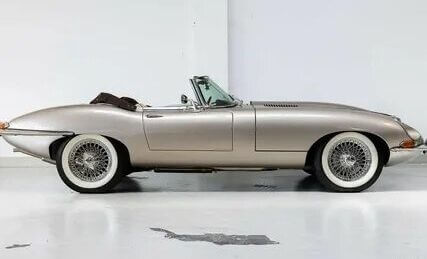
Jaguar E-Type: The World's Most Beautiful Sports Car
The Jaguar E-Type stands as perhaps the most iconic and beautiful sports car ever created, representing the pinnacle of British automotive design and engineering excellence. When Enzo Ferrari famously called it “the most beautiful car ever made,” he captured the universal admiration this extraordinary machine has inspired since its dramatic debut at the 1961 Geneva Motor Show.
This legendary sports car combined breathtaking aesthetics with cutting-edge performance technology, creating a vehicle that not only looked like it was traveling at 150 mph while standing still but could actually achieve such speeds with remarkable grace and refinement.
History and Development of the Jaguar E-Type
The E-Type’s development began in the late 1950s under the direction of William Lyons and chief engineer William Heynes, building upon lessons learned from Jaguar’s successful D-Type racing program. The project aimed to create a road-going sports car that could deliver race car performance while maintaining the luxury and refinement expected from the Jaguar marque.
Malcolm Sayer, Jaguar’s aerodynamicist, shaped the E-Type’s extraordinary bodywork using mathematical principles and wind tunnel testing. His background in aircraft design influenced the car’s sleek, purposeful lines that achieved a drag coefficient of just 0.44—remarkable for the early 1960s.
The E-Type made its sensational debut on March 15, 1961, at the Geneva Motor Show, where two prototypes arrived dramatically after high-speed drives from Coventry. This theatrical introduction perfectly captured the car’s blend of performance capability and stunning visual impact.
Production continued from 1961 to 1975, spanning three distinct series that evolved the basic design while maintaining its essential character and appeal.
You may also want to read about other cars too like Is Mercedes GLE Worth Having.
Technical Specifications and Engineering Excellence
Engine Options and Performance
The E-Type launched with Jaguar’s proven 3.8-liter XK inline six-cylinder engine, delivering exceptional performance for its era:
Series 1 3.8-Liter (1961-1964):
- Engine: 3781cc inline six-cylinder
- Power: 265 hp at 5,500 rpm
- Torque: 260 lb-ft at 4,000 rpm
- Top speed: 150 mph
- 0-60 mph: 7.1 seconds
Series 1 4.2-Liter (1964-1968):
- Engine: 4235cc inline six-cylinder
- Power: 265 hp
- Improved torque: 283 lb-ft
- Enhanced drivability and reliability
Series 3 V12 (1971-1975):
- Engine: 5343cc V12
- Power: 272 hp
- Torque: 304 lb-ft
- Refined performance with enhanced smoothness
Revolutionary Chassis and Suspension
The E-Type introduced several groundbreaking engineering innovations that set new standards for sports car design:
Monocoque Construction: The central passenger cell utilized unitary construction for exceptional rigidity while minimizing weight. The front subframe, containing the engine and front suspension, bolted to this central structure.
Independent Rear Suspension: Revolutionary for its time, the E-Type featured independent rear suspension with inboard disc brakes and drive shafts. This system, derived from D-Type racing technology, provided superior handling and ride quality compared to contemporary live-axle designs.
Advanced Braking System: Four-wheel disc brakes were standard equipment, with the rear discs mounted inboard near the differential to reduce unsprung weight. This system delivered exceptional stopping power and fade resistance.
You may like to read : Firebird Auto
Model Variants and Evolution
Series 1 (1961-1968)
The original Series 1 represents the purest expression of Malcolm Sayer’s design vision. Distinguished by covered headlights, external bonnet latches, and flat floor construction, these early E-Types epitomize 1960s automotive elegance.
Series 1 models featured toggle switches, Smiths instrumentation, and minimalist interiors that emphasized the car’s sporting character. The bonnet-forward stance and long, flowing lines created an unmistakable silhouette that remains instantly recognizable.
You may like to read one more classic car : Toyota Aygo
Series 2 (1968-1971)
Regulatory requirements, particularly from the crucial North American market, necessitated several design modifications for Series 2 production. These changes included exposed headlights, revised rear light clusters, and enlarged front air intake.
Interior improvements featured better seating, enhanced ventilation, and updated switchgear. While purists often prefer Series 1 aesthetics, Series 2 models offered improved practicality and comfort.
Series 3 (1971-1975)
The Series 3 introduced Jaguar’s magnificent V12 engine alongside significant styling revisions. The grille opening increased substantially, side air intakes appeared behind the doors, and the wheel arches flared to accommodate wider tires.
Only available in 2+2 configuration with automatic transmission initially, the Series 3 emphasized grand touring refinement over pure sports car character. Manual transmission became available later, improving driving engagement.
Body Styles and Configurations
Roadster (OTS – Open Two Seater)
The classic E-Type roadster exemplifies the open sports car ideal with its removable soft top and optional hardtop. Early models featured lightweight aluminum bodywork that contributed to exceptional performance and agility.
The roadster’s cockpit provided an intimate driving environment with excellent visibility and direct connection to the mechanical components. Wind-up windows replaced the original side curtains during Series 1 production.
Fixed Head Coupe (FHC)
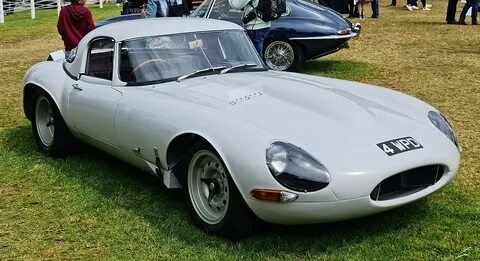
The graceful fastback coupe offered weather protection and additional luggage space while maintaining the roadster’s essential proportions. The distinctive rear window and hatchback access created one of automotive design’s most beautiful profiles.
Performance remained virtually identical to roadster models, with slightly improved aerodynamics at high speeds. The coupe’s structural rigidity also enhanced handling precision.
2+2 Coupe
Introduced in 1966, the 2+2 variant extended the wheelbase by 9 inches to accommodate rear seating. While the additional space improved practicality, many enthusiasts felt the stretched proportions compromised the original design’s purity.
The 2+2 became the sole body style for Series 3 V12 models, emphasizing the car’s evolution toward grand touring rather than pure sports car territory.
Driving Experience and Character
The E-Type delivers an extraordinary combination of performance, refinement, and sensory engagement that few automobiles can match. The XK engine’s smooth power delivery and distinctive exhaust note create an intoxicating driving experience, while the advanced suspension provides remarkable ride quality for a sports car.
Steering feel remains direct and communicative, allowing drivers to exploit the chassis’s considerable capabilities with confidence. The independent rear suspension eliminates the handling quirks associated with live-axle designs, providing predictable, balanced dynamics.
High-speed stability proves exceptional, reflecting the car’s aerodynamic efficiency and well-sorted suspension geometry. The E-Type rewards smooth, flowing driving techniques while remaining forgiving enough for less experienced drivers.
Cultural Impact and Legacy
Beyond its technical achievements, the E-Type became a cultural icon that defined 1960s automotive style. Its association with celebrities, musicians, and cultural figures elevated the car’s status beyond mere transportation to automotive art.
The E-Type influenced countless subsequent sports car designs while establishing Jaguar’s reputation for combining performance with luxury. Its timeless aesthetics ensure continued relevance and desirability among collectors and enthusiasts worldwide.
Collectibility and Market Values
E-Type values have appreciated significantly, with early Series 1 roadsters commanding premium prices. Matching-numbers examples with documented provenance achieve the strongest market performance, while restoration projects remain accessible for dedicated enthusiasts.
Series 1 3.8-liter models typically represent the most valuable variants, followed by early 4.2-liter examples. The lightweight E-Type and competition models occupy the absolute pinnacle of collectibility.
Condition significantly impacts value, with concours-quality examples bringing substantial premiums over driver-quality cars. The extensive parts availability and active restoration industry support various ownership approaches.
Understanding import and export regulations is essential for smooth international shipping—Ship Cars Ltd ensures full compliance and hassle-free vehicle transport.
Maintenance and Ownership Considerations
E-Type ownership requires understanding of the car’s mechanical systems and commitment to proper maintenance. The XK engine proves generally reliable with regular servicing, while the complex rear suspension demands knowledgeable attention.
Common maintenance areas include carburetor tuning, electrical system care, and cooling system service. Body rust prevention requires particular attention around the rear subframe mounting points and door frames.
A thriving aftermarket supports E-Type ownership with reproduction parts, upgrade components, and specialized services. Many improvements are available to enhance reliability while preserving original character.
How Shipcars Can Help with Your Jaguar E-Type Transport
At Shipcars, we recognize the Jaguar E-Type’s status as automotive royalty and provide specialized shipping services worthy of this legendary sports car. Whether you’re importing a concours-quality Series 1 roadster or relocating your restoration project, our experienced team understands the unique requirements of transporting these valuable classics. Get a fast, reliable quote shipping with Ship Cars Ltd.
We offer comprehensive international shipping including RORO, shared container, and dedicated container services, plus professional UK transport using qualified trade plate drivers and enclosed transporters. Our marine insurance options provide essential protection for high-value E-Types during transit, with coverage available up to 1.5% of vehicle value for comprehensive protection including cosmetic damage.


