


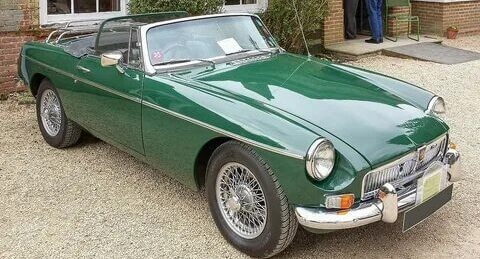
MG MGB: The Timeless British Sports Car Icon
The MG MGB stands as one of Britain’s most beloved and enduring sports cars, capturing the hearts of enthusiasts worldwide since its debut in 1962. This iconic roadster represents the pinnacle of British automotive engineering from the golden age of sports cars, combining classic styling, engaging driving dynamics, and accessible performance in a package that remains as appealing today as it was over six decades ago.
What is the history and development of the MG MGB?
The MG MGB emerged as the successor to the MGA, developed by the British Motor Corporation to create a more modern and practical sports car. Launched at the 1962 London Motor Show, the MGB featured unitary construction rather than the separate chassis design of its predecessor, resulting in improved structural rigidity and better crash protection.
Design responsibility fell to Don Hayter, who created the MGB’s timeless proportions and elegant lines. The car’s development focused on combining traditional British sports car character with improved comfort, reliability, and safety standards. Production continued from 1962 to 1980, making it one of the longest-running sports car production runs in automotive history.
The MGB represented MG’s response to increasing competition from European manufacturers while maintaining the quintessential British roadster experience that had made the marque famous worldwide.
You may also want to read about other cars too like Is Mercedes GLE Worth Having.
What are the technical specifications and engineering details?
Engine and Performance
The MGB initially featured a 1.8-liter BMC B-Series four-cylinder engine producing 95 horsepower in its early form. This robust powerplant delivered smooth, torquey performance perfectly suited to the car’s character:
- Engine: 1798cc inline four-cylinder
- Power output: 95-104 hp (depending on year and market)
- Torque: 110 lb-ft at 3,000 rpm
- Top speed: approximately 105 mph
- 0-60 mph acceleration: around 11 seconds
The engine featured twin SU carburetors in most markets, delivering the distinctive induction sound that became synonymous with British sports cars. Later North American models received single Zenith-Stromberg carburetors to meet emissions regulations.
Transmission and Drivetrain
The MGB employed a four-speed manual transmission with synchromesh on the top three gears. Early models featured a non-synchro first gear, while later versions received full synchromesh operation. The transmission connected to a live rear axle with semi-elliptic leaf springs, providing dependable traction and straightforward maintenance.
Optional overdrive units became available, effectively creating a five-speed transmission that improved highway cruising comfort and fuel economy. The overdrive system, operated by a dashboard switch, could engage in third and fourth gears.
You may like to read : Firebird Auto
Chassis and Suspension
The MGB’s unitary construction provided excellent structural integrity while keeping weight reasonable. Front suspension utilized independent wishbones with coil springs and telescopic dampers, while the rear employed a live axle with semi-elliptic leaf springs.
This suspension configuration delivered the perfect balance of comfort and handling that characterized British sports cars, providing engaging driving dynamics without excessive harshness. The setup proved particularly well-suited to winding country roads and spirited driving.
You may like to read one more classic car : Toyota Aygo
Model Variations and Evolution
MGB Roadster
The classic open-top MGB roadster remained the most popular variant throughout production. Early models featured chrome bumpers, wire wheels, and leather interiors that epitomized 1960s British sports car style. The roadster’s removable soft top and optional hardtop provided versatility for all-weather driving.
Distinctive design elements included the characteristic grille with vertical slats, prominent headlights, and flowing fender lines that created the MGB’s timeless silhouette.
MGB GT
Introduced in 1965, the MGB GT featured a distinctive fastback roofline designed by Pininfarina. This fixed-roof variant offered improved weather protection, additional luggage space, and enhanced structural rigidity while maintaining the roadster’s essential character.
The GT’s rear hatchback provided practical cargo access, making it more suitable for touring and daily driving. Performance remained virtually identical to the roadster, with slightly improved aerodynamics at higher speeds.
MGB GT V8
The ultimate MGB variant, produced from 1973 to 1976, featured Rover’s lightweight 3.5-liter aluminum V8 engine. This transformation created a genuine high-performance sports car:
- Engine: 3528cc aluminum V8
- Power: 137 hp
- 0-60 mph: approximately 7.7 seconds
- Top speed: 125 mph
Limited production numbers make the MGB GT V8 highly sought-after among collectors today.
Design and Styling Evolution
The MGB’s design evolved subtly throughout its production run while maintaining its essential character. Early models featured chrome bumpers, wire wheels, and minimalist interiors with toggle switches and simple instrumentation.
Significant styling changes occurred in the mid-1970s when regulations required the addition of impact-absorbing bumpers. These black polyurethane bumpers, while practical, altered the car’s classic proportions. Simultaneously, ride height increased to meet headlight height regulations in key markets.
Interior refinements included improved seating, better ventilation systems, and updated instrumentation. Later models featured more comprehensive weather sealing and sound deadening materials for enhanced comfort.
Driving Experience and Character
The MGB delivers the quintessential British sports car driving experience, characterized by direct steering, progressive handling, and mechanical simplicity. The car rewards smooth, flowing driving techniques rather than aggressive inputs, encouraging drivers to develop finesse and appreciation for automotive fundamentals.
Engine response feels immediate and honest, with the twin-carb setup providing distinctive induction sounds and throttle response. The transmission requires deliberate, precise shifting but offers satisfying mechanical engagement. Overall driving dynamics emphasize involvement and connection between driver and machine.
Road manners remain civilized for daily driving while providing genuine sports car excitement when desired. The MGB’s forgiving nature makes it an excellent introduction to classic sports car ownership.
Collectibility and Market Values
MGB values have strengthened significantly in recent years as collectors recognize the model’s historical significance and driving appeal. Well-maintained examples command premium prices, while restoration projects remain accessible entry points into MG ownership.
Chrome-bumper models typically command higher values than rubber-bumper variants, with early roadsters and MGB GT V8s representing the most desirable specifications. Matching-numbers examples with documented history achieve the strongest market performance.
The MGB’s robust mechanical design and parts availability support an active restoration industry, making quality examples achievable for dedicated enthusiasts willing to invest in proper maintenance and refurbishment.
Maintenance and Ownership Considerations
MGB ownership rewards hands-on enthusiasts willing to embrace the car’s mechanical simplicity. Regular maintenance requirements include frequent oil changes, carburetor tuning, and electrical system attention. The Lucas electrical system, while notorious for reliability issues, remains straightforward to diagnose and repair.
Common maintenance items include SU carburetor rebuilding, ignition system updates, and cooling system servicing. Body rust prevention requires regular attention, particularly around wheel arches and door frames.
An extensive aftermarket parts network supports MGB maintenance and restoration, with many components still available from original suppliers or high-quality reproduction sources.
How Shipcars Can Help with Your MG MGB Transport
At Shipcars, we understand the unique requirements of transporting classic British sports cars like the MG MGB. Our specialized vehicle shipping services provide the care and attention these automotive treasures deserve, whether you’re importing a restoration project from overseas or moving your prized MGB across the UK. Get a fast, reliable quote shipping with Ship Cars Ltd.
We offer comprehensive shipping solutions including RORO (Roll-on Roll-off), shared container, and dedicated container services for international moves, plus professional UK transport using experienced trade plate drivers and specialized transporters. Our team’s expertise with classic car logistics ensures your MGB receives proper handling throughout the shipping process, with full marine insurance coverage available to protect your investment during transit.
Contact us today to get all the details about shipping requirements or check our sailing schedule for upcoming shipping dates.
You may also like to read about other cars:


