


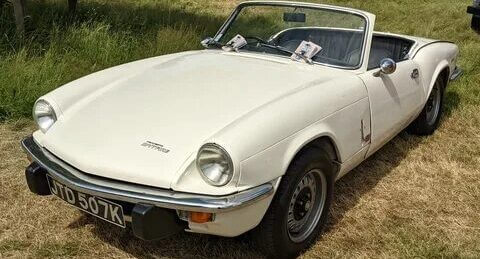
Triumph Spitfire: Britain's Beloved Compact Sports Car
The Triumph Spitfire stands as one of Britain’s most charming and accessible sports cars, capturing the essence of open-air motoring in a delightfully compact and affordable package. From its introduction in 1962 to the end of production in 1980, this spirited roadster brought genuine sports car excitement to enthusiasts who couldn’t afford larger, more expensive alternatives like the Jaguar E-Type or Austin-Healey 3000.
Named after the legendary World War II fighter aircraft, the Spitfire embodied the same spirit of British ingenuity, agility, and determination that characterized its aviation namesake. This diminutive sports car proved that size and price need not compromise driving enjoyment or automotive passion.
History and Development of the Triumph Spitfire
The Spitfire’s origins trace back to the late 1950s when Standard-Triumph sought to create an affordable sports car to compete with the Austin-Healey Sprite and MG Midget. The project utilized the existing Herald saloon’s mechanical components, including its backbone chassis, independent front suspension, and swing-axle rear suspension.
Giovanni Michelotti, the renowned Italian designer, penned the Spitfire’s gorgeous bodywork. His elegant proportions and clean lines created a design that looked far more expensive than its modest price suggested. The collaboration between British engineering pragmatism and Italian styling flair produced one of the 1960s’ most attractive small sports cars.
Production began in 1962 at Standard-Triumph’s Canley factory in Coventry, continuing through multiple iterations until 1980. Throughout its 18-year production run, the Spitfire evolved mechanically while maintaining Michelotti’s timeless aesthetic appeal.
You may also want to read about other cars too like Is Mercedes GLE Worth Having.
Technical Specifications and Mechanical Evolution
Engine Development Through the Years
The Spitfire’s engine bay housed a series of increasingly powerful four-cylinder units derived from Triumph’s saloon car range:
Spitfire Mk1 and Mk2 (1962-1967):
- Engine: 1147cc inline four-cylinder
- Power: 63 hp at 5,750 rpm
- Torque: 67 lb-ft at 3,500 rpm
- Top speed: 92 mph
- 0-60 mph: 16.4 seconds
Spitfire Mk3 (1967-1970):
- Engine: 1296cc inline four-cylinder
- Power: 75 hp at 6,000 rpm
- Improved torque and drivability
- Top speed: 95 mph
Spitfire Mk4 and 1500 (1970-1980):
- Engine: 1493cc inline four-cylinder
- Power: 71 hp (varying by market and year)
- Enhanced low-end torque
- Better emissions compliance
You may like to read : Firebird Auto
Chassis and Suspension Systems
The Spitfire employed Triumph Herald’s backbone chassis, consisting of a central steel spine with outriggers supporting the body panels. This construction method provided structural rigidity while allowing easy body removal for maintenance and restoration.
Front Suspension: Independent wishbone setup with coil springs and telescopic dampers delivered responsive handling and acceptable ride comfort for such a compact sports car.
Rear Suspension: The swing-axle rear suspension, while cost-effective, created distinctive handling characteristics. Sudden throttle lift in corners could provoke dramatic oversteer, earning the Spitfire a reputation for lively, entertaining dynamics that rewarded skilled drivers.
You may like to read one more classic car : Toyota Aygo
Model Evolution and Variants
Spitfire Mk1 (1962-1965)
The original Spitfire established the model’s fundamental character with Michelotti’s pure, unadorned styling. Early cars featured minimal chrome trim, simple interiors with toggle switches, and the distinctive side-exit exhaust that became a Spitfire trademark.
Build quality varied in early production, but the basic design’s charm and affordability quickly established a dedicated following among sports car enthusiasts seeking authentic British roadster experience.
Spitfire Mk2 (1965-1967)
The Mk2 introduced subtle refinements including improved interior trim, better weather equipment, and enhanced electrical systems. Styling remained virtually unchanged, preserving Michelotti’s elegant proportions and clean lines.
Mechanical improvements focused on reliability and durability rather than performance increases, reflecting lessons learned from early production experience and owner feedback.
Spitfire Mk3 (1967-1970)
The Mk3 brought the first significant engine upgrade with the larger 1.3-liter unit providing noticeably improved performance. This increase in displacement enhanced both power and torque, making the Spitfire more competitive against rivals.
Styling updates included a revised grille design and interior improvements, while maintaining the model’s essential character and appeal. Build quality showed continued improvement as production processes matured.
Spitfire Mk4 (1970-1974)
The Mk4 introduced the most significant styling changes in Spitfire history, featuring a cut-off rear end that divided opinion among enthusiasts. While some appreciated the more modern appearance, others preferred the original’s flowing lines.
Mechanical improvements included the larger 1.5-liter engine, improved electrical systems, and enhanced safety equipment to meet evolving regulations. Interior appointments became more sophisticated with better seating and instrumentation.
Spitfire 1500 (1974-1980)
The final Spitfire iteration focused on emissions compliance and safety requirements rather than performance enhancement. Power output actually decreased in many markets due to stricter environmental regulations.
Despite regulatory constraints, the 1500 maintained the Spitfire’s essential character while offering improved refinement and reliability. These final examples represent the most developed and reliable Spitfires for practical ownership.
Driving Experience and Character
The Triumph Spitfire delivers an intimate, engaging driving experience that epitomizes small British sports car charm. The lightweight construction and compact dimensions create immediate responsiveness to driver inputs, making even moderate speeds feel exciting and involving.
The engine provides willing performance with a distinctive exhaust note that changes character across the rev range. While absolute performance figures appear modest by modern standards, the Spitfire’s low weight and direct mechanical feel create genuine driving satisfaction.
Handling characteristics prove entertaining and educational, with the swing-axle rear suspension providing unique feedback and requiring appropriate driving techniques. Experienced drivers learn to use the car’s natural balance and chassis movements to enhance cornering performance.
The compact cockpit creates an intimate driving environment with excellent visibility and direct connection to the mechanical systems. Wind noise and mechanical sounds become part of the sensory experience rather than unwanted intrusions.
Styling and Design Philosophy
Michelotti’s design for the Spitfire achieved remarkable elegance within severe cost constraints. The clean, uncluttered lines created visual impact far beyond the car’s modest size and price point.
Key design elements included the distinctive nose with round headlights, flowing fender lines, and perfectly proportioned side profile. The convertible top mechanism, while simple, integrated well with the overall design when raised or lowered.
Interior design emphasized functionality over luxury, with straightforward instrumentation, simple switchgear, and comfortable seating for two occupants. The dashboard layout proved logical and driver-focused, contributing to the car’s sporting character.
Competition and Motorsport Heritage
The Spitfire enjoyed considerable success in club-level motorsport and rallying, where its lightweight construction and agile handling proved advantageous. The car’s affordability made it accessible to amateur racers and weekend competitors.
Professional racing success included class victories in various touring car championships and endurance events. The Spitfire’s mechanical simplicity made it an ideal platform for grassroots motorsport participation.
Rally competition showcased the car’s durability and versatility, with Spitfires competing successfully in events ranging from local club rallies to international competitions. The car’s reputation for reliability and ease of maintenance made it popular with privateer teams.
Collectibility and Market Values
Triumph Spitfire values have strengthened considerably as collectors recognize the model’s historical significance and driving appeal. Well-maintained examples command growing interest from enthusiasts seeking authentic British sports car experiences.
Early Mk1 and Mk2 models typically achieve the highest values, particularly cars with documented history and matching numbers. The distinctive styling and purer driving experience of early cars appeal strongly to collectors and purists.
Later models offer more affordable entry into Spitfire ownership while providing improved reliability and refinement. The active parts supply and restoration industry support various ownership approaches from concours restoration to reliable daily driving.
Ownership and Maintenance Considerations
Spitfire ownership rewards hands-on enthusiasts willing to embrace the car’s mechanical simplicity and British engineering quirks. The backbone chassis design facilitates major mechanical work and restoration projects.
Common maintenance requirements include regular carburetor attention, electrical system care, and rust prevention. The swing-axle rear suspension demands proper maintenance for safe handling characteristics.
An extensive aftermarket supports Spitfire ownership with reproduction parts, performance upgrades, and specialized services. Many improvements enhance reliability and safety while preserving original character and appeal.
The model’s popularity ensures strong club support, technical expertise, and social opportunities for owners. Spitfire clubs worldwide provide resources, events, and camaraderie for enthusiasts.
How Shipcars Can Help with Your Triumph Spitfire Transport
At Shipcars, we appreciate the Triumph Spitfire’s status as a cherished British classic and provide specialized transport services designed for these delightful sports cars. Whether you’re importing a pristine Mk1 from overseas or relocating your restoration project across the UK, our experienced team understands the specific needs of transporting compact classics. Get a fast, reliable quote shipping with Ship Cars Ltd.
We offer comprehensive shipping solutions including RORO, shared container, and dedicated container services for international moves, plus professional UK transport using experienced trade plate drivers and specialized transporters. Our marine insurance coverage protects your Spitfire during transit, with options up to 1.5% of vehicle value for complete peace of mind, ensuring your British roadster arrives safely ready for many more miles of spirited driving enjoyment.
Contact us today to get all the details about shipping requirements or check our sailing schedule for upcoming shipping dates.
You may also like to read about other cars:


